Overview
Statins are some of the most widely prescribed medications in the world. They’re commonly prescribed for people who have high levels of low-density lipoprotein (LDL), or “bad” cholesterol.
Statins can reduce your risk of cardiovascular disease and help prevent heart attack and stroke. If you already have cardiovascular disease, statins may help keep your condition from getting worse.
Statins may also help increase your levels of healthy high-density lipoprotein (HDL)—aka “good” cholesterol—and improve the health of your arteries.
Most people who take statins have no noticeable adverse side effects. But side effects can happen, especially if you have certain risk factors. Many of these effects are the same for all statins. Some statins have unique side effects, as well.
Here’s what you should know.
Statin side effects
There are currently seven types of statins approved by the U.S. Food and Drug Administration (FDA).
They include:
- atorvastatin (Lipitor)
- fluvastatin
- lovastatin (Mevacor, Altoprev)
- pitavastatin (Livalo, Nikita)
- pravastatin (Pravachol)
- rosuvastatin (Crestor)
- simvastatin (Zocor)
Common side effects of all statins
Side effects reported by some people include muscle pain and digestive problems.
Muscle pain is the most common side effect caused by statin use. A 2014 assessment found that intolerance of statins is a real issue usually noted as muscle-related symptoms. It’s estimated that between 1 and 10 percent of muscle symptoms are related to statin use.
Muscle pain can be uncomfortable. However, you should call your doctor right away if you have:
- unusual muscle pain or cramps
- tiredness
- fever
- dark urine
- diarrhea
These could be symptoms of rhabdomyolysis. This is a dangerous muscle breakdown condition that can cause kidney problems.
Rare side effects of all statins
While taking statins, there’s a small risk of:
- memory loss or confusion
- increased blood sugar, which can lead to diabetes
- kidney or liver damage
Dark or bloody urine or pain in your upper abdomen or chest can be signs of serious kidney and liver disorders. If you have any of these symptoms while taking a statin, call your doctor right away.
Lovastatin
Lovastatin generally causes fewer side effects than other, stronger statins. The most common side effects of this drug include:
- digestive discomfort
- infection symptoms
- muscle pain or weakness
Taking lovastatin with a meal can sometimes ease digestive trouble.
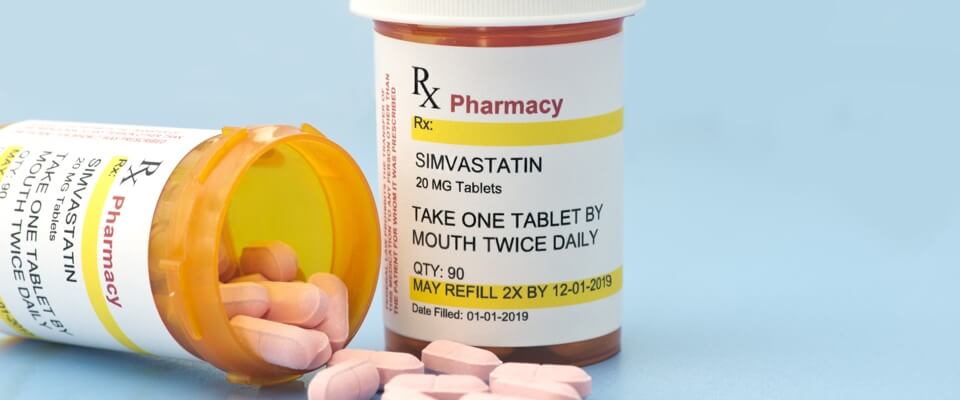
Simvastatin
When taken at high doses, simvastatin may be more likely to cause muscle pain than other statins. The more common side effects of taking higher doses of this drug also include:
- dizziness
- fast or irregular heartbeat
Pravastatin
People taking pravastatin have reported fewer muscle aches and other side effects.
It’s generally well-tolerated with long-time use. However, the following side effects can occur with this drug:
- muscle stiffness
- painful joints
Atorvastatin
The most common side effects of atorvastatin use include:
- headache
- stuffy or runny nose
Fluvastatin
Fluvastatin is an alternative for people who have had muscle pain when taking other, stronger statins. However, side effects of this drug are still possible.
The most common side effects from using fluvastatin are:
- diarrhea
- joint pain
- unusual tiredness or trouble sleeping
- vomiting
Infection symptoms are other common side effects of using fluvastatin. Infection can cause:
- chills
- fever
- runny nose
- sore throat
- sweating
Rosuvastatin
Rosuvastatin has the highest rates of reported side effects. Taking a lower dose may reduce or eliminate uncomfortable side effects.
The most common side effects with rosuvastatin are:
- headache
- joint pain
- muscle pain and stiffness
- rash
What can put you at risk
Side effects are possible for anyone taking a drug. That said, certain factors can make it more likely that you’ll have side effects from taking a statin.
You’re more likely to have side effects if you:
- take more than one medication to reduce cholesterol
- are female
- have a small body frame
- are 65 years or older
- have kidney or liver disease
- drink a lot of alcohol
Talk to your doctor
Statin drugs can be valuable for managing your LDL and preventing heart disease. However, side effects may be a concern, especially if you have effects that are painful or bothersome.
If you have muscle pain or other side effects that you think are caused by taking a statin, talk to your doctor.
Don’t suddenly stop taking your prescribed medication without talking to your doctor. If you have side effects from the drug, your doctor might adjust your dosage or recommend a different statin.